
Know exactly when and where future solar eclipses will happen.
Solar Eclipse Info shares clear, accurate information on upcoming solar eclipses, so you can plan when and where to be to experience one of nature's greatest spectacles.
Our figures are drawn from NASA, Fred Espenak's eclipse predictions, and national observatories, and we say plainly where local timings are still approximate.
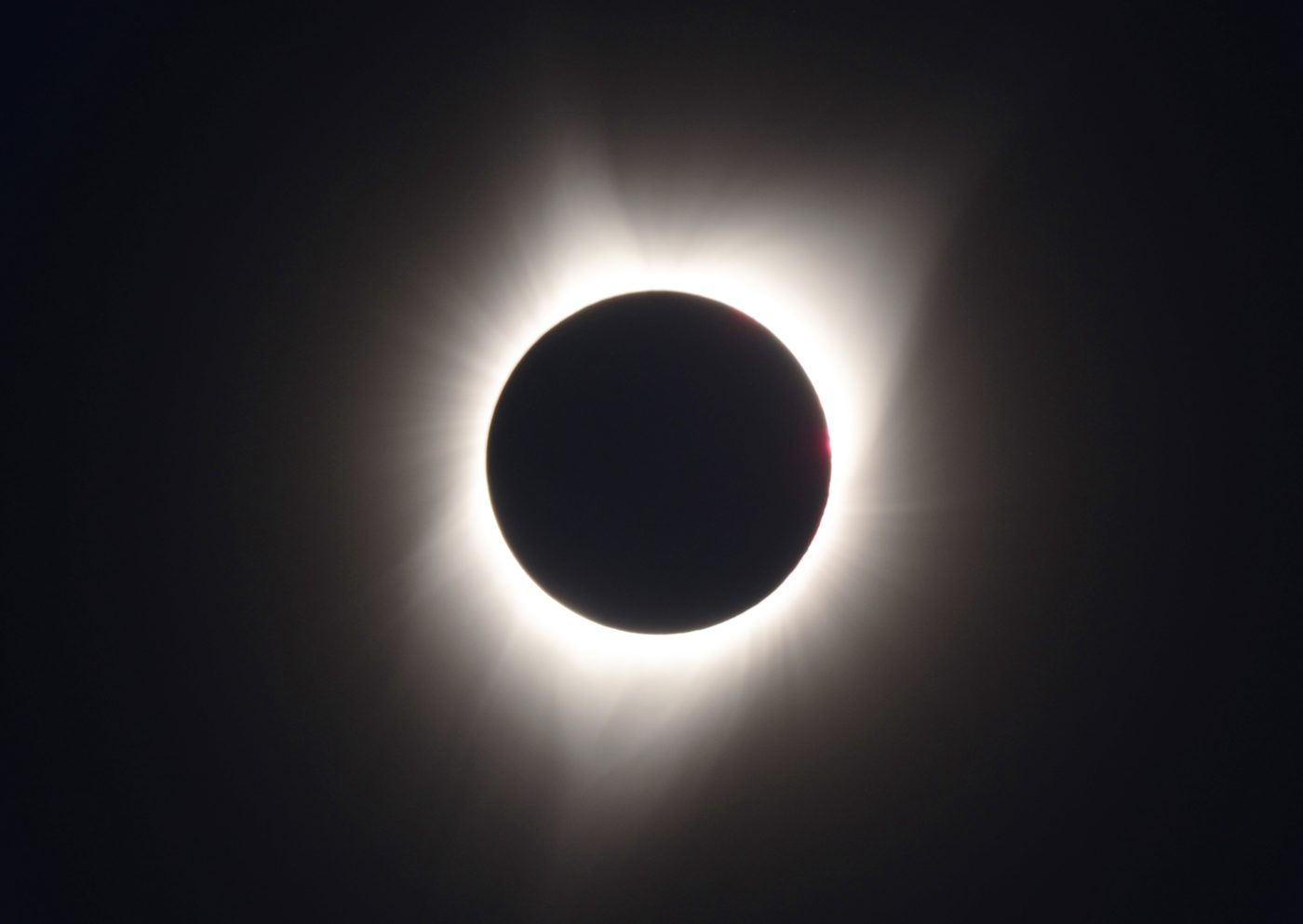
Until greatest eclipse, east of Luxor, Egypt, at 10:07 UTC on 2 August 2027

The longest totality visible from land this century
On the morning of 2 August 2027 the Moon's shadow touches the southern tip of Spain, then races across North Africa to Egypt, the Arabian Peninsula, and the Horn of Africa. At its best, near the Nile in Upper Egypt, totality lasts 6 minutes 23 seconds. No total eclipse visible from land has lasted longer since 1991, and none will again until 2114.
Several factors combine to make it so long. The Moon is close to perigee and appears large, Earth is near aphelion so the Sun appears small, and the shadow crosses close to the subsolar point around midday, where Earth's rotation does the most to slow the shadow's sweep across the ground.
Southern Spain
- Where: almost all of Cádiz province, including Tarifa, plus parts of Málaga, Granada, and Almería, and Ceuta and Melilla
- When: totality at about 10:45 to 10:50 local time (CEST), mid-morning
- How long: about 4 minutes 40 seconds at Tarifa and up to 4 minutes 48 seconds at Ceuta, the longest in Spain
- Sun: roughly 37° to 39° high in the east
Easy to reach from across Europe, with good roads, accommodation, and a summer climate that is usually sunny, though coastal haze and the Strait's levante wind are worth keeping in mind.
Egypt
- Where: the centre line runs along the Nile valley through Upper Egypt, close to Luxor
- When: totality around 13:00 local time, with the Sun almost overhead
- How long: about 6 minutes 19 seconds at Luxor, rising to the eclipse's maximum of 6 minutes 23 seconds on the centre line further north
- Sun: around 82° high, very close to the zenith
The longest totality anywhere, the clearest skies on the path, and the temples of Karnak and Luxor and the Valley of the Kings close by. August heat routinely exceeds 40°C, so planning for shade and water matters as much as planning for the sky.
The next solar eclipses
A short guide to what is coming. For more detail, visit our Upcoming Solar Eclipses page.
South America & West Africa
A "ring of fire" annular eclipse crosses Chile, Argentina, Uruguay, and Brazil before reaching Ivory Coast, Ghana, Togo, Benin, and Nigeria.
Spain, North Africa, Egypt & Arabia
Up to 6 minutes 23 seconds of totality in Upper Egypt, the longest from land until 2114. Totality also reaches the southern tip of Spain, Gibraltar, and Morocco.
Australia & New Zealand
The path of totality crosses Australia from the Kimberley to Sydney, before reaching the South Island of New Zealand.
La Camperona, León, Spain
For the total solar eclipse of 12 August 2026 we recommended La Camperona, a 1,603m summit in the mountains of León, northern Spain. It sat directly on the path of totality, with an open view to the west-southwest over the Sabero Valley, where the Sun was setting as the eclipse unfolded.
- Totality: 1 minute 47.5 seconds, from 20:27:47 local time
- Sun at maximum eclipse: about 9.5° above the horizon
- Event: a free public gathering organised by Sabero Town Hall and Litos.net
It was Sean Mahoney's fourteenth total solar eclipse. The full event page, with the timings and circumstances we published beforehand, is kept as a record.
La Camperona event page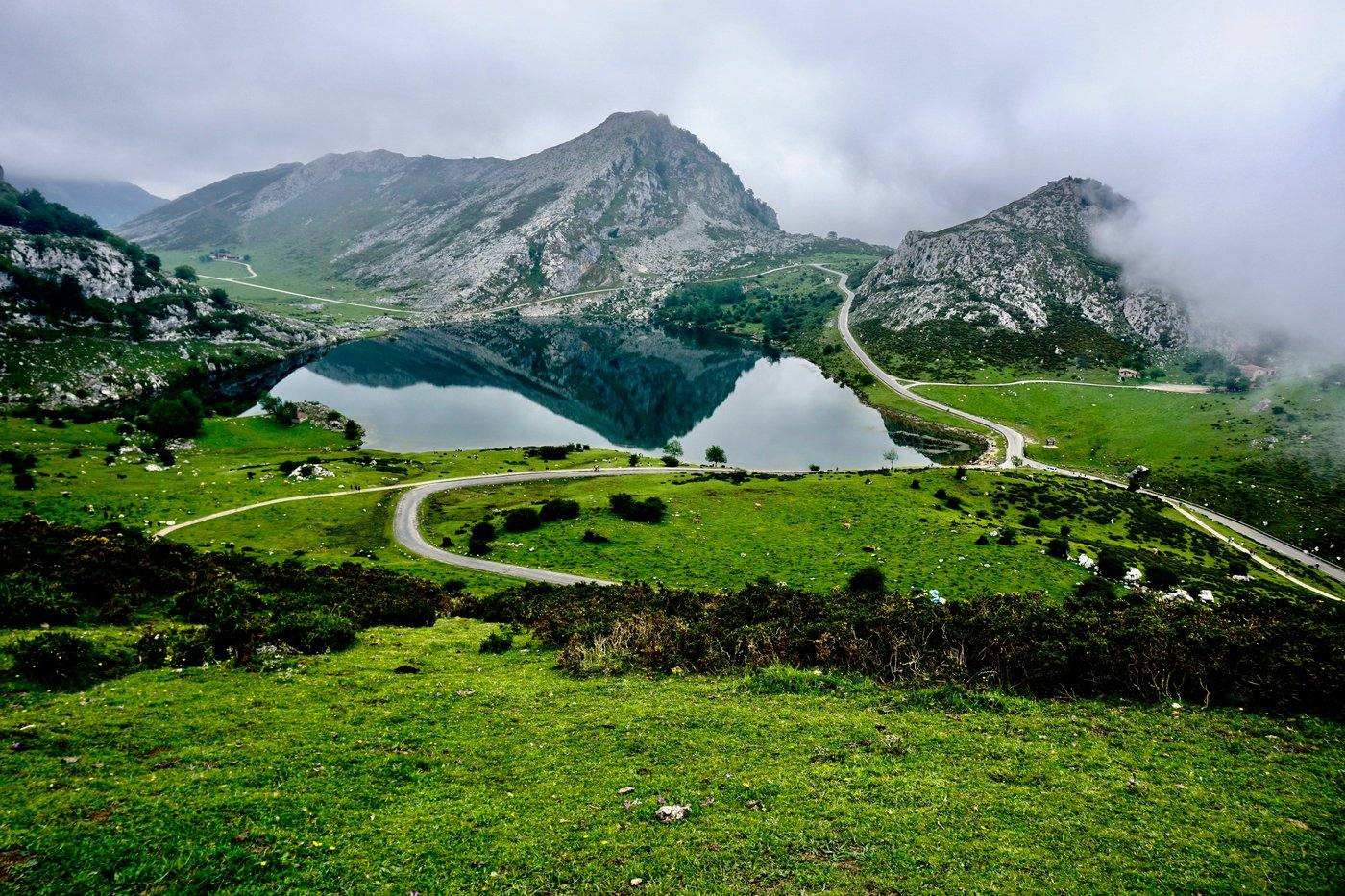
Never look directly at the Sun, at any stage of a partial or annular eclipse, without certified ISO 12312-2 solar viewing filters. This applies throughout every phase except during totality itself, when the Sun is completely covered.
Ordinary sunglasses, exposed camera film, and homemade filters do not offer safe protection. See our eclipse safety guide for full detail on safe viewing methods, including pinhole projection.
Explore our eclipse guides
Practical, carefully sourced guides to the eclipses ahead and to watching them well.
Solar eclipses of the next ten years
Every eclipse from 2027 to 2036, with paths, durations, and links to interactive maps.
2 August 2027: the eclipse of the century
Up to 6 minutes 23 seconds of totality, crossing southern Spain, North Africa, and Egypt.
26 January 2028: a sunset ring over Spain
An annular eclipse crossing Seville and Valencia just before sunset.
22 July 2028: totality over Sydney
A total eclipse across Australia and the South Island of New Zealand.
How to watch an eclipse safely
Eclipse glasses, projection, filters, and the one moment you can look without protection.
How to photograph an eclipse
Settings for phones and cameras, from the partial phases to the corona.
Eclipses in history and science
From ancient records to helium, Einstein, and Concorde.